
A toothache that keeps you up at night, or a sharp jolt every time you sip something cold, can leave you wondering what’s going on. Knowing the signs you need a root canal helps you act before a small problem turns into an infection or a lost tooth.
At HAR Dental Group, serving Tulia, Plainview, Amarillo, and Slaton, TX, we use advanced imaging and a gentle approach to find the cause of tooth pain and treat it, so you can get back to eating, sleeping, and smiling without worrying about that one tooth.
What Is a Root Canal?
A root canal is a dental procedure that removes infected or inflamed pulp from inside a tooth. The pulp is the soft tissue in the center of the tooth that holds nerves and blood vessels. When bacteria reach it through deep decay or a crack, it can become infected and very painful.
This treatment saves a tooth that might otherwise need to be pulled. Understanding when a root canal is needed helps you get treatment on time and prevent the infection from spreading or turning into an abscess.
Common Signs You Need a Root Canal
Persistent Tooth Pain
Persistent tooth pain can be a sign you need a root canal. Unlike a quick twinge, this pain may linger, throb, or keep coming back, sometimes waking you up at night or flaring when you bite down. Continuous discomfort often means the pulp inside your tooth is infected or damaged. Learn more about common dental procedures to understand your options for protecting your oral health.
Sensitivity to Hot and Cold Temperatures
Pain when you drink hot coffee or eat ice cream is another common symptom. Everyone gets a little sensitivity now and then, but if the ache lingers for a while after the hot or cold is gone, it could mean a problem that needs a root canal.
Swollen or Tender Gums
Swelling near a sore tooth can point to a deeper problem. Your gums might feel puffy, tender to the touch, or look darker than usual. This can happen when infected pulp tissue causes inflammation, and removing that tissue is exactly what a root canal does.
Discoloration of the Tooth
A tooth that turns gray or darker than the teeth around it may be dying or damaged. This usually happens when the pulp is infected, and it’s a good reason to get a dental evaluation. If a damaged tooth ever can’t be saved and you’re weighing an implant, it’s also worth reading about the possible side effects of dental implants.
A Pimple on the Gums
A small pimple-like bump on your gums, sometimes called a fistula, could be a sign of a dental abscess. It forms as the infection tries to drain, and you might notice a bad taste in your mouth. It should be treated quickly, often with a root canal, to keep the infection from causing more problems.
Potential Causes of Root Canal Symptoms
-
Deep decay from cavities that break through the tooth’s protective outer layers.
-
Repeated dental procedures on the same tooth that disturb the enamel and dentin.
-
Cracks or chips in the tooth, like from biting ice or a popcorn kernel, that let bacteria reach and infect the pulp.
The Root Canal Procedure, Step by Step
Initial Examination
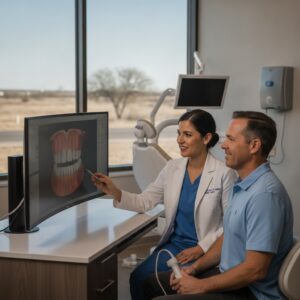
At HAR Dental Group, an initial exam with advanced imaging, including digital X-rays and 3D cone beam scans when needed, helps us decide whether you need a root canal. We take a close look at the affected tooth and the gum tissue around it, and explain what we see in plain language.
The Root Canal Treatment Process
The procedure starts with local anesthesia to numb the area, and sedation options are available if you feel anxious. The dentist makes a small opening in the tooth to reach the pulp chamber and removes the infected tissue. The space is then cleaned, shaped, and sealed with a rubber-like material called gutta-percha. You might feel some pressure, but the goal is for you to stay comfortable.
Recovery and Aftercare
Taking care of your tooth after the procedure helps it heal well. Some sensitivity for a few days is normal and usually manageable with over-the-counter pain relievers. Chew on the other side until your tooth is fully restored, and come to your follow-up visits so we can make sure everything is healing as it should.
Advanced Technology at HAR Dental Group
HAR Dental Group uses advanced technology to improve accuracy and comfort. Digital X-rays, cone beam CT imaging, and intraoral cameras help us see exactly what’s happening inside the tooth, and our in-house dental lab can make crowns faster when your tooth needs one after treatment. This helps each root canal be done with precision and supports a smoother recovery.
When to Contact HAR Dental Group
If you notice any of these signs or have questions about a tooth that’s been bothering you, schedule an appointment with HAR Dental Group. Early diagnosis and treatment give you the strongest chance of saving your natural tooth.
FAQs About Signs You Need a Root Canal
Are root canals painful?
Despite their reputation, modern techniques make root canals no more uncomfortable than getting a routine filling.
How long does a root canal take?
It depends on the tooth’s condition, but it usually takes 60 to 90 minutes.
What happens if I delay root canal treatment?
Waiting on a needed root canal can lead to more pain, an abscess, and possibly losing the tooth.
Will my tooth look different after a root canal?
After treatment, a crown is often placed to protect the tooth and blend in with your smile. Explore options for dental crowns to see how your smile can be restored.
How much does a root canal typically cost?
Costs depend on how complex the treatment is and your insurance coverage, but a root canal usually costs less than pulling the tooth and replacing it.
Keeping Your Natural Smile
Tooth pain has a way of taking over your day, from what you eat to how well you sleep. You don’t have to keep working around it or hoping it goes away on its own.
Contact HAR Dental Group today to schedule a consultation, and our team will check the tooth, explain your options, and help you act early if you’re noticing the signs you need a root canal.