Many patients ask, “how do implants work” when they first consider replacing a missing tooth. This short guide explains the basics in plain language, walks through the treatment steps from consult to crown, and covers what affects success and recovery. If you’re in Panhandle, TX and wondering how do implants work in Panhandle, TX for your mouth, this overview will help you know what to expect and what questions to ask at your first visit.
How Do Implants Work: The Basics
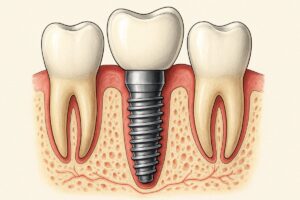
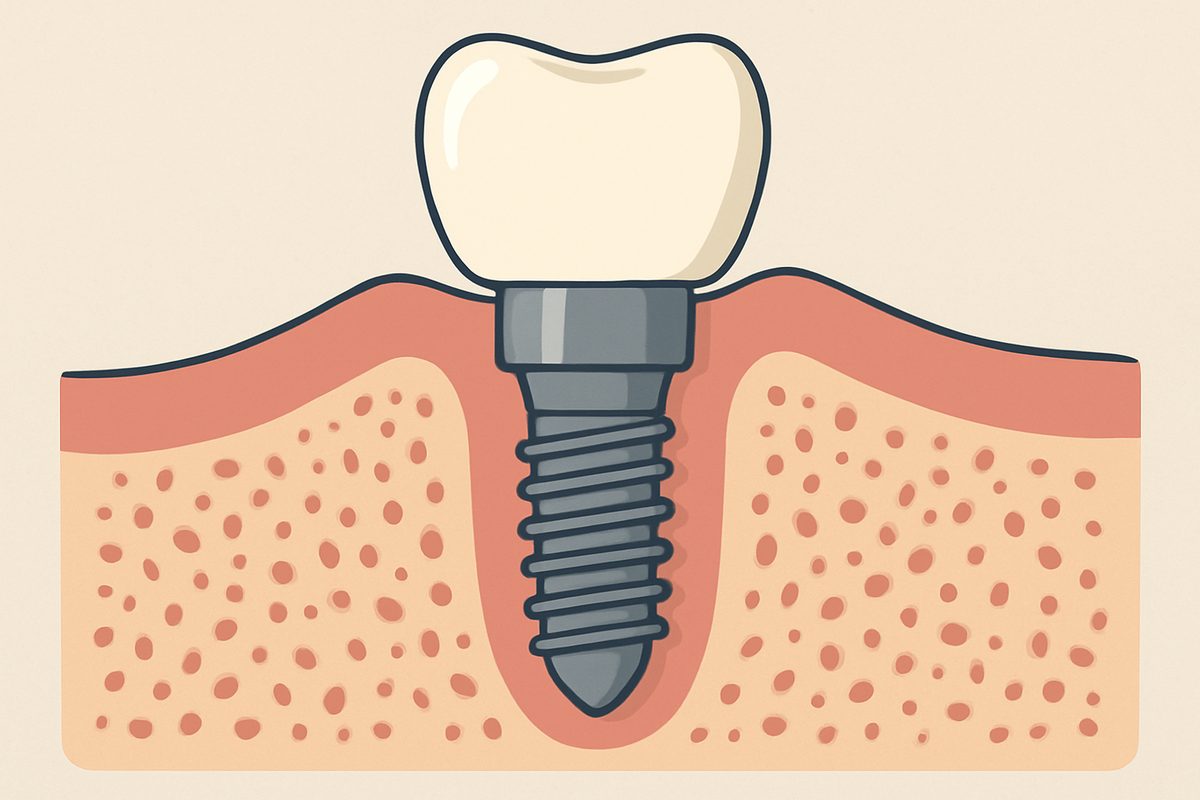
A dental implant has three main parts: the implant (a titanium screw placed in the jaw), the abutment (a small connector), and the crown (the visible tooth). After placement, the bone grows around the titanium implant in a process called osseointegration. That bond makes the implant act much like a natural tooth root, giving stable support for chewing and speaking.
Step-by-Step: How Do Implants Work From Consultation To Crown
Consultation and imaging
Your dentist will do an exam and take X-rays or a CBCT 3D scan to check bone and plan implant size and position. This step decides if you need bone grafting or a sinus lift before placing an implant. Clear planning helps reduce surprises during surgery.
Surgical placement
During the surgery, the implant is placed into the jaw bone through a small incision. Most patients have local anesthesia; IV sedation is an option for those who prefer it. The procedure is typically quick and done with tools that guide precise placement.
Healing and osseointegration
Healing takes weeks to months while the bone bonds to the implant. You may have a temporary tooth during this time. Follow-up visits check healing and make sure the implant is stable before moving to the final step.
Restoration
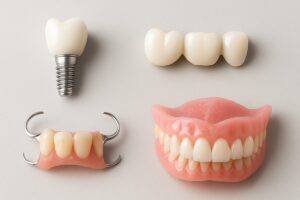
Once integrated, the abutment is attached and the final crown, bridge, or denture is fitted. Crowns are color-matched to look natural. The result is a restoration that looks and functions like a real tooth.
What Affects How Implants Work And How Long They Last
Bone quality, overall health (like diabetes control), smoking, oral hygiene, implant type, and the clinician’s skill all affect success. Good daily care and regular dental visits help implants last many years, often decades.
Who Is A Good Candidate — How Do Implants Work For Different Needs
Implants can replace a single tooth, several teeth with bridges, or a full arch using solutions like All-on-4. If jaw bone is thin, bone grafting or sinus lifts can prepare the site so implants work properly. Most healthy adults who maintain good oral care are candidates for different needs.
How Modern Technology Helps Explain How Implants Work
3D imaging, guided surgery, and digital scans improve accuracy and reduce time. Tools like CBCT and real-time guided systems help place implants exactly where planned, lowering complications and improving outcomes.
Recovery, Risks, and Aftercare
Expect swelling and mild discomfort for a few days. Rare risks include infection or nerve injury. Long-term care is simple: brush, floss, and visit the dentist regularly. Avoid smoking and manage health conditions to protect your implant.
Why Choose HAR Dental Group and Dr. Omar Harmouche for Implants
Dr. Omar Harmouche is a nationally recognized implant dentist who leads HAR Dental Group in Tulia, Plainview, and Slaton, TX. The practice uses CBCT, X-Nav guided surgery, and in-house 3D printing to improve precision. Sedation options and a patient-focused team help make treatment comfortable and predictable. If you want to learn exactly how do implants work in Panhandle, TX for your mouth, schedule a consultation with HAR Dental Group to get a personalized plan and next steps.