Dental crowns protect and restore damaged teeth, fix after root canals, and improve how teeth look. If you’re wondering how much do crowns cost for teeth, this post lays out typical price ranges, what affects cost, the treatment steps, insurance and financing options, and smart ways to save. Read on to set clear expectations and get ready to ask the right questions at your consult.
What Is a Dental Crown?
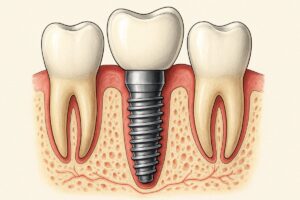
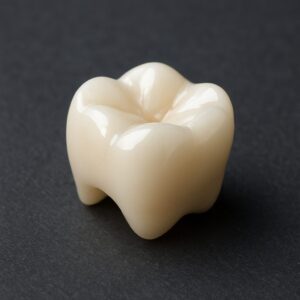
A dental crown is a cap that fits over a damaged or weakened tooth. Dentists use crowns to repair broken teeth, cover teeth after root canal therapy, replace large fillings, or improve the appearance of a misshapen or discolored tooth. Crowns restore strength, protect the tooth from further damage, and help teeth look natural.
Types of Dental Crowns & Typical Cost Ranges
Porcelain-fused-to-metal (PFM)
PFM crowns have a metal core with porcelain layered on top. They look fairly natural and are strong, but the metal can sometimes show at the gum line. Cost: roughly $800–$1,500 per crown depending on the lab and region.
All-ceramic / All-porcelain crowns
All-ceramic crowns give the best match for front teeth and are metal-free, which is good for people with metal sensitivities. They’re very aesthetic but can be slightly less durable than metal-based options for heavy chewers. Cost: about $900–$2,000 per crown.
Zirconia crowns
Zirconia is very strong and can be made to look natural. It’s popular for both front and back teeth and is resistant to chipping. Stronger and often more expensive than PFM. Cost: roughly $1,000–$2,500 per crown.
Gold and metal alloy crowns
Gold or other metal crowns last a long time and wear well against opposing teeth. They’re usually used on back teeth where appearance is less important. Cost varies widely: $800–$2,500 depending on metal type and market prices.
Key Factors That Change How Much Do Crowns Cost For Teeth
Material choice
Material is the biggest cost driver. High-end ceramics and zirconia cost more up front but may last longer and need fewer replacements.
Location in the mouth & number of crowns
Back teeth may need stronger materials or different designs. Getting multiple crowns at once often lowers the per-crown cost vs. single crown pricing.
Complexity of preparation
Additional work like root canals, post-and-core build-ups, or severe decay repair increases time and cost.
Impressions & lab vs. in-house fabrication
Same-day crowns made with chairside milling or in-house 3D printing can cost more for the technology but save you a second visit and temporary crown costs. Lab-made crowns can be less expensive but take longer.
Dentist experience and technology used
Highly trained dentists and those using digital planning, CBCT scans, or guided workflows may charge more but often deliver more predictable results and fewer surprises.
Typical Treatment Steps & Timeline
Initial exam and imaging
Your dentist will examine the tooth, take X-rays or a CBCT if needed, and discuss material options and an estimate.
Tooth preparation and temporary crown
The tooth is shaped and an impression or scan is taken. A temporary crown protects the tooth while the final crown is made. This visit usually lasts 60–90 minutes.
Final crown placement
At the try-in appointment the dentist checks fit and bite, makes small adjustments, and cements the crown. Expect a short follow-up to confirm comfort and fit.
Insurance, Warranties, and Financing Options
Most dental insurance covers a portion of crown costs—often around 50%—but limits and waiting periods apply. Ask your insurer about annual maximums and preauthorization.
Financing options include in-office payment plans, third-party medical financing, and credit products like CareCredit. Ask about warranties: some practices offer guarantees on workmanship or lab materials; confirm what’s covered and for how long.
How to Save Money Without Sacrificing Quality
- Compare long-term value of materials, not just upfront price.
- Ask if same-day crowns (in-house milling/3D printing) reduce total cost by eliminating temporaries or extra visits.
- Bundle pricing for multiple crowns can lower per-tooth cost.
- Use FSAs/HSAs for tax-advantaged payment.
- Check dental membership plans or practice discounts for uninsured patients.
Questions to Ask Your Dentist Before Getting a Crown
- Which material do you recommend and why?
- Do you fabricate crowns in-house or send them to a lab?
- What is the total expected cost and what’s included (prep, temp, cementation, follow-ups)?
- Are there warranties or adjustments included?
- How long should I expect this crown to last with normal care?
About HAR Dental Group & Dr. Omar Harmouche (Light Practice Glaze)
Dr. Omar Harmouche, DMD, is a Tufts-trained, nationally recognized implant dentist and CEO of HAR Dental Group serving the Panhandle, TX. He combines implant expertise, full-mouth restoration experience, and a patient-focused approach to deliver durable, natural results.
Technology That Can Affect Cost & Quality
- CBCT scanning for precise diagnostics
- Primescan intraoral scanners for fast, accurate digital impressions
- Primeprint 3D printer and in-house milling for same-day restorations
- X-Nav guided implant technology for surgical precision
- Blue Wave Laser for minimally invasive soft tissue work
These tools improve precision, reduce surprises, and can shorten treatment time—sometimes changing the cost structure but often improving long-term value.
Wrap-Up: What to Expect When Asking “How Much Do Crowns Cost For Teeth”
Crown costs vary by material, tooth location, prep complexity, and the tech your dentist uses. Expect a range from roughly $800 to $2,500 per crown depending on choices. The best next step is a consult to get an itemized estimate based on your tooth and goals.
Ready to get a custom estimate? Schedule a consultation with HAR Dental Group today.