The parts of a tooth implant can seem complex, but knowing the main pieces helps you understand treatment, care, and how implants restore function. This short guide explains the parts of a tooth implant, what each does, what they’re made of, common problems, and what to expect during treatment.
What Is a Dental Implant? A Brief Overview
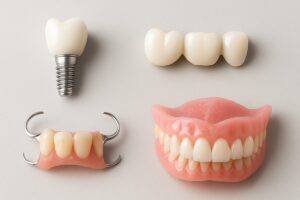
A dental implant is a replacement for a missing tooth that mimics a natural tooth’s root and crown. It keeps bone healthy, supports chewing, and looks like a real tooth. Understanding the parts matters because each piece plays a role in strength, fit, and long-term success.
Main Parts Of A Tooth Implant
The Implant Fixture (The “Root”)
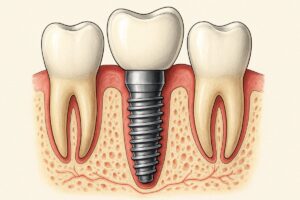
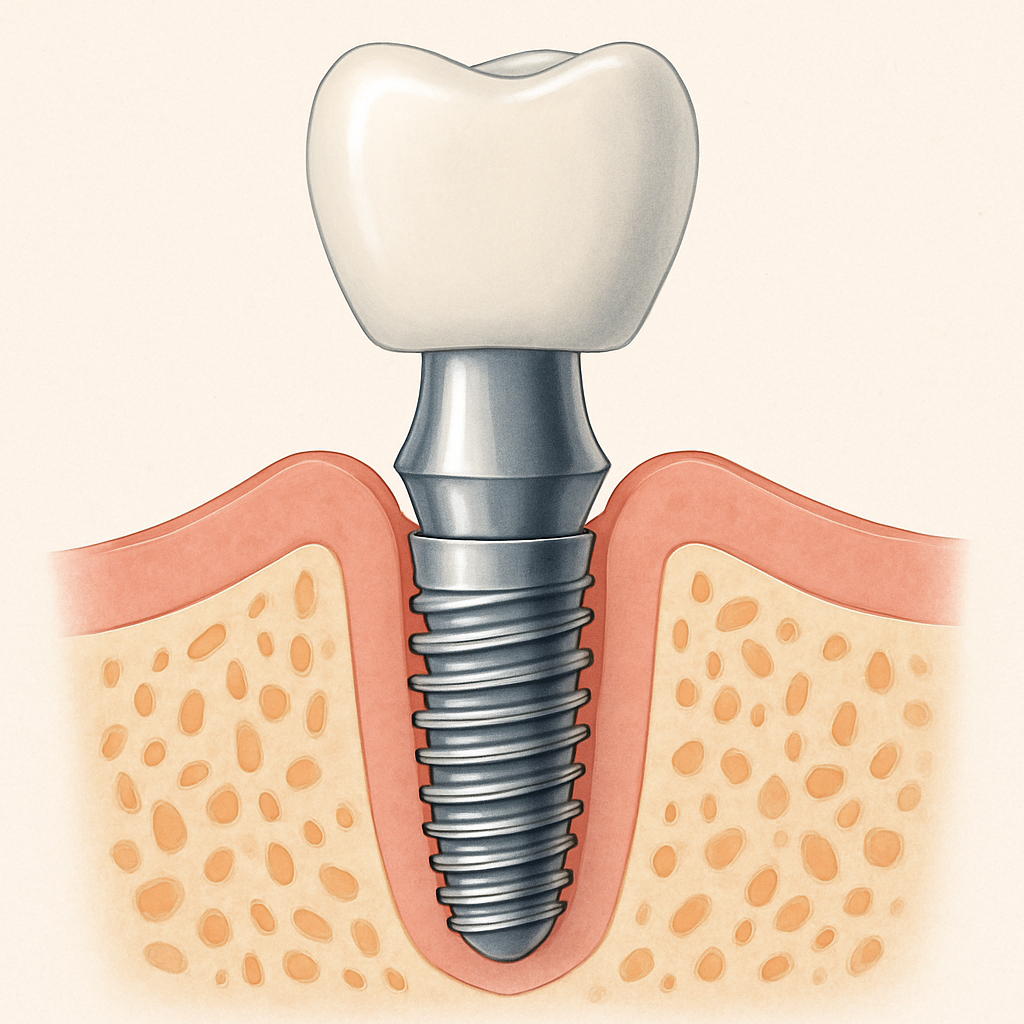
This is the screw placed into the jawbone, usually titanium or zirconia. It integrates with bone in a process called osseointegration, creating a stable base like a natural root. The fixture bears bite forces and anchors the restoration.
The Abutment
The abutment connects the implant fixture to the crown. It can be straight or angled and may be stock or custom-made for a better fit. The abutment’s fit affects comfort, gum health, and how the crown sits.
The Crown (The Visible Tooth)
The crown is the part you see and chew with. Crowns may be porcelain, zirconia, or porcelain fused to metal. They can be screw-retained or cemented. The crown restores appearance, speech, and chewing.
Other Parts: Healing Abutments & Covers
Temporary healing caps or cover screws protect the implant during healing. Surgical guides and temporary crowns help place parts accurately and shape the gum tissue for a natural look.
Materials Used For Each Part And Why They Matter
Titanium is strong, proven, and bonds well with bone. Zirconia offers a metal-free option for patients with metal sensitivities and a natural white color. For crowns, porcelain looks lifelike while zirconia is very strong. Material choice affects strength, appearance, and allergy risk.
How Each Part Affects Function, Comfort, And Longevity
A well-integrated fixture handles bite forces without loosening. A precisely fitted abutment prevents movement and gum irritation. Proper crown margins stop food traps and decay under the crown. Good hygiene and regular checkups help implants last decades.
Common Problems Related To Implant Parts And How They’re Fixed
Issues include loose abutments (tighten or replace), fractured crowns (repair or remake), and peri-implantitis (cleaning, antibiotics, or surgery). Regular maintenance and quick attention to soreness reduce the chance of big repairs.
What To Expect During Treatment: How The Parts Are Placed
Treatment has two main phases. Surgical phase: the fixture is placed in the bone and covered to heal (3–6 months). Restorative phase: the abutment and crown are fitted once bone is stable. Timelines vary by bone health and whether grafting is needed.
Why Choose an Experienced Implant Dentist
An experienced implant dentist improves predictability and comfort. Dr. Omar Harmouche, DMD, and HAR Dental Group specialize in full-mouth restorations and complex implant cases, balancing function and esthetics for long-term success.
Technology That Improves Outcomes
Advanced tools like CBCT 3D imaging, X-Nav guided surgery, Primescan digital scanning, and in-house 3D printing and Primeprint help ensure precise placement and better-fitting parts. Lasers can improve soft-tissue healing and comfort.
Next Steps: Questions To Ask Your Dentist About Parts Of A Tooth Implant
– What material will my implant and crown be made of? – Will my crown be screw-retained or cemented? – Who will fabricate my crown and do you offer a warranty? – How do you prevent and treat infection around implants? – What is the expected timeline and cost to replace parts if needed?
Short Closing CTA
To learn which parts of a tooth implant are right for your case, contact HAR Dental Group to schedule a consultation with Dr. Harmouche. We’ll review options, materials, and a personalized treatment plan to restore your smile.