
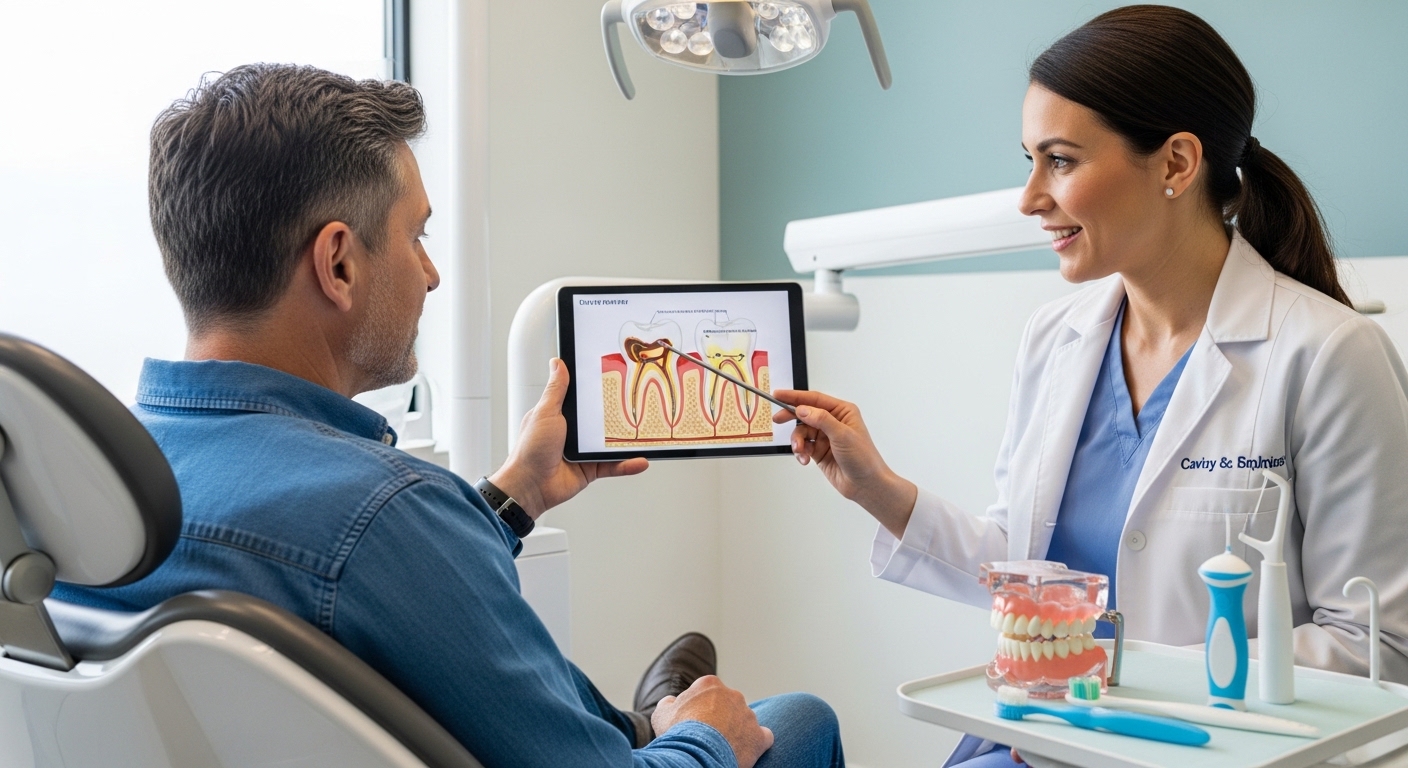
Cavities, also known as dental caries, are a common oral health issue that can affect individuals of all ages, including adults. Understanding how to prevent cavities as an adult is crucial for maintaining oral health and overall well-being.
Understanding Cavities in Adulthood
Cavities develop when tooth enamel is destroyed by acids produced by bacteria in plaque. While children often experience cavities, adults are also at risk due to factors such as gum recession, diet, and lifestyle habits. Recognizing these causes can help in taking preventive measures.
How to Prevent Cavities as an Adult: Daily Habits
Prevention starts with good oral hygiene. Brushing twice daily with fluoride toothpaste and flossing are vital practices. Ensure you use a soft-bristled toothbrush and replace it every three to four months. Consider using an electric toothbrush for more effective plaque removal.
The Impact of Diet on Oral Health
Your diet plays a significant role in cavity prevention. Foods high in calcium, such as dairy products, and those rich in phosphorus, such as nuts and fish, help remineralize tooth enamel. Conversely, sugary and acidic foods can increase the risk of cavities.
What Role Does Lifestyle Play in Dental Health?
Smoking and excessive alcohol consumption can have detrimental effects on oral health. These habits not only contribute to the development of cavities but can also lead to other serious dental issues, such as gum disease. Additionally, stress can affect oral health by promoting harmful habits such as teeth grinding.
Preventive Dental Care: Regular Check-ups and Cleanings
Regular dental check-ups are crucial in preventing cavities. During these visits, your dentist can identify early signs of cavities and provide professional cleanings to remove tartar and plaque buildup. Ideally, adults should visit their dentist every six months.
Advanced Technology and Specialized Treatments at Harmouche Dentistry
At Harmouche Dentistry, we utilize advanced technology to offer comprehensive dental services, from full-mouth rehabilitation to dental implants. Our state-of-the-art equipment ensures effective and efficient treatments tailored to each patient’s needs.
Signs You May Need a Dental Check-up
Persistent toothache, sensitivity to hot or cold drinks, or visible holes or pits in your teeth are indications that you should see a dentist. Early intervention can prevent the progression of these issues.
Adult Cavity Prevention Tips: Maintaining Long-term Oral Health
Investing in tools like water flossers and oral irrigators can help maintain optimal oral health. Consistent use of these products, along with regular dental visits, forms a solid foundation for cavity prevention.
FAQs About Adult Cavity Prevention
-
How can I tell if I have a cavity? Most cavities are identified through routine dental examinations, but symptoms such as pain or sensitivity can also indicate them.
-
Are cavity fillings different for adults? Yes, adults often have options such as composite fillings that offer aesthetic benefits over traditional materials.
-
What are the risks of untreated cavities in adults? Untreated cavities can lead to infections, abscesses, and even tooth loss.
-
Can dental implants help prevent cavities? While implants don’t develop cavities, maintaining the adjacent natural teeth is crucial for overall oral health.
Contact Harmouche Dentistry for Your Oral Health Needs
Harmouche Dentistry is dedicated to helping you maintain a healthy smile. Our experienced team offers personalized care and advanced dental solutions. Schedule a consultation with us today, and let’s work together to achieve your optimal oral health.