
Understanding tooth sensitivity causes and treatments starts with a familiar moment: you take a sip of hot coffee or a bite of ice cream, and a sharp zing shoots through your tooth. Many people deal with this, and it can make simple things like a cold glass of water feel like a gamble.
Tooth sensitivity can disrupt daily life and limit what you enjoy eating. The good news is that it’s usually manageable once you know what’s behind it. At HAR Dental Group, we help patients find the cause and the right fix.
Common Causes of Tooth Sensitivity
Tooth sensitivity often comes from worn enamel or exposed roots. Enamel can wear away from brushing too hard, acidic foods and drinks, or grinding your teeth at night. Gum recession, which becomes more common with age, can expose the softer, more sensitive dentin below the gum line.
Enamel Erosion
Enamel is the hard, protective layer on the outside of your teeth. Over time, it can erode from acidic foods and drinks like soda, citrus, and sports drinks, scrubbing too hard with your toothbrush, or normal wear and tear. Once it thins, the layer underneath reacts more to heat, cold, and sweets.
Gum Recession
Gum recession happens when the gum tissue around your teeth pulls back and exposes more of the tooth or its root. Roots don’t have enamel protecting them, so they can be very sensitive. Recession is often caused by periodontal disease or injury, and sometimes by years of aggressive brushing.
How Tooth Sensitivity Affects Daily Life
For people with sensitive teeth, everyday eating and drinking can be uncomfortable. Hot, cold, sweet, or acidic foods can set off a sharp pain, so you start avoiding certain foods, chewing on one side, or letting your coffee cool before you drink it.
Over time, those little workarounds add up and take the enjoyment out of meals. Sensitivity can even make brushing uncomfortable, which can lead people to brush less and create new problems.
Diagnosing and Evaluating Tooth Sensitivity
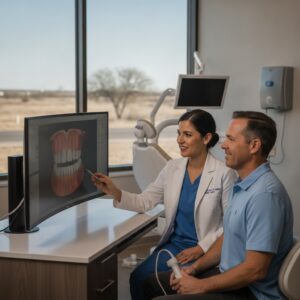
Finding the cause of tooth sensitivity starts with a thorough dental exam. At HAR Dental Group, digital X-rays and intraoral cameras help us see what’s going on, whether it’s worn enamel, a cracked tooth, an old filling, or gum recession, so we can recommend the right treatment.
Treatment Options for Tooth Sensitivity
Several treatments can reduce tooth sensitivity, from simple at-home changes to in-office dental care. A desensitizing toothpaste, which contains compounds that help block the signals to the nerve, is usually the first step. It often takes a few weeks of daily use to notice a difference.
Fluoride Treatments
In-office fluoride treatments help strengthen enamel and reduce sensitivity. Regular applications can make teeth more resilient and less reactive over time.
Dental Procedures
When sensitivity comes from tooth damage or decay, treatment like a filling, crowns, or bridges might be needed. These treatments ease sensitivity and also restore how the tooth works and looks.
Managing Sensitive Teeth at Home
Good oral hygiene habits go a long way. Use a soft-bristled toothbrush, brush gently in small circles instead of scrubbing, and limit very acidic foods and drinks. Drinking water after coffee, wine, or soda helps rinse away acids.
If you grind your teeth at night, mention it at your next visit, because grinding wears down enamel. A balanced diet that’s lower in sugar also helps keep sensitivity under control.
When to Seek Professional Help for Tooth Sensitivity
If sensitivity doesn’t improve with at-home care, it’s a good idea to see the team at HAR Dental Group. Severe pain, swelling, or sensitivity to temperature that lingers can mean a bigger problem, like decay or a cracked tooth, that needs a dental exam.
Advanced Technology in Treating Tooth Sensitivity
HAR Dental Group uses advanced technology to find the cause of tooth sensitivity and treat it effectively. Tools like digital X-rays with AI support, intraoral cameras, and 3D imaging improve diagnosis and treatment planning and help make procedures more efficient and comfortable.
Real Examples of Technology in Treatment
For example, digital imaging can pinpoint a small area of decay or a crack that’s hard to see with the naked eye. Catching it early means more targeted treatment, often a simpler fix than waiting until it causes real pain.
FAQs About Tooth Sensitivity Causes and Treatments
What causes sudden tooth sensitivity?
Sudden sensitivity can come from a cracked tooth, a worn or loose filling, or gum recession.
Is tooth sensitivity a sign of a serious problem?
Often it isn’t serious, but it can point to an issue that needs dental attention, like decay or a crack.
Can tooth sensitivity go away on its own?
Sometimes, but sensitivity that keeps coming back should be checked by a dentist.
What dietary changes can help with sensitive teeth?
Cutting back on acidic and sugary foods and drinks can help reduce sensitivity.
Enjoying Your Favorite Foods Again
Managing tooth sensitivity can make a real difference in your day, from your morning coffee to dessert with your family. At HAR Dental Group, personalized treatment plans and advanced technology work together to keep you comfortable.
If you’re dealing with sensitive teeth, contact our offices serving Tulia, Plainview, Amarillo, and Slaton, TX, for an assessment, and we’ll walk you through the tooth sensitivity causes and treatments that fit your situation.