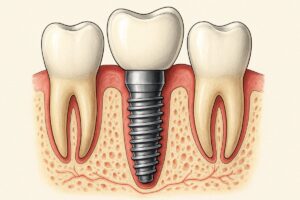
Dental implants are metal posts placed into the jawbone to replace missing teeth. Most people heal over weeks to months as the bone fuses to the implant and a final crown or bridge is placed. This page explains the common and less common side effects of tooth implants and gives clear, patient-friendly steps to prevent and manage problems so you know what to expect.
Common short‑term side effects of tooth implants
Pain and discomfort
Some pain after implant surgery is normal. It usually peaks the first 24–72 hours and improves after that. Pain is often managed with over‑the‑counter options like ibuprofen or acetaminophen. For stronger pain, your dentist may prescribe short‑term narcotics. Follow dosing instructions and avoid alcohol with prescription pain medicine.
Swelling and bruising
Swelling happens because the tissues react to surgery. Swelling usually peaks 48–72 hours after the procedure and then slowly decreases. To reduce swelling, apply ice packs during the first 24 hours (20 minutes on, 20 minutes off), sleep with your head elevated, and avoid heavy bending or lifting for a few days.
Bleeding and minor wound drainage
Light bleeding or oozing is common in the first 24–48 hours. Bite on gauze as instructed and avoid vigorous rinsing, spitting, or using straws for the first day. If bleeding soaks through several gauze pads, or becomes heavy after the first 48 hours, contact your dentist right away.
Potential long‑term side effects and complications
Infection and peri‑implantitis
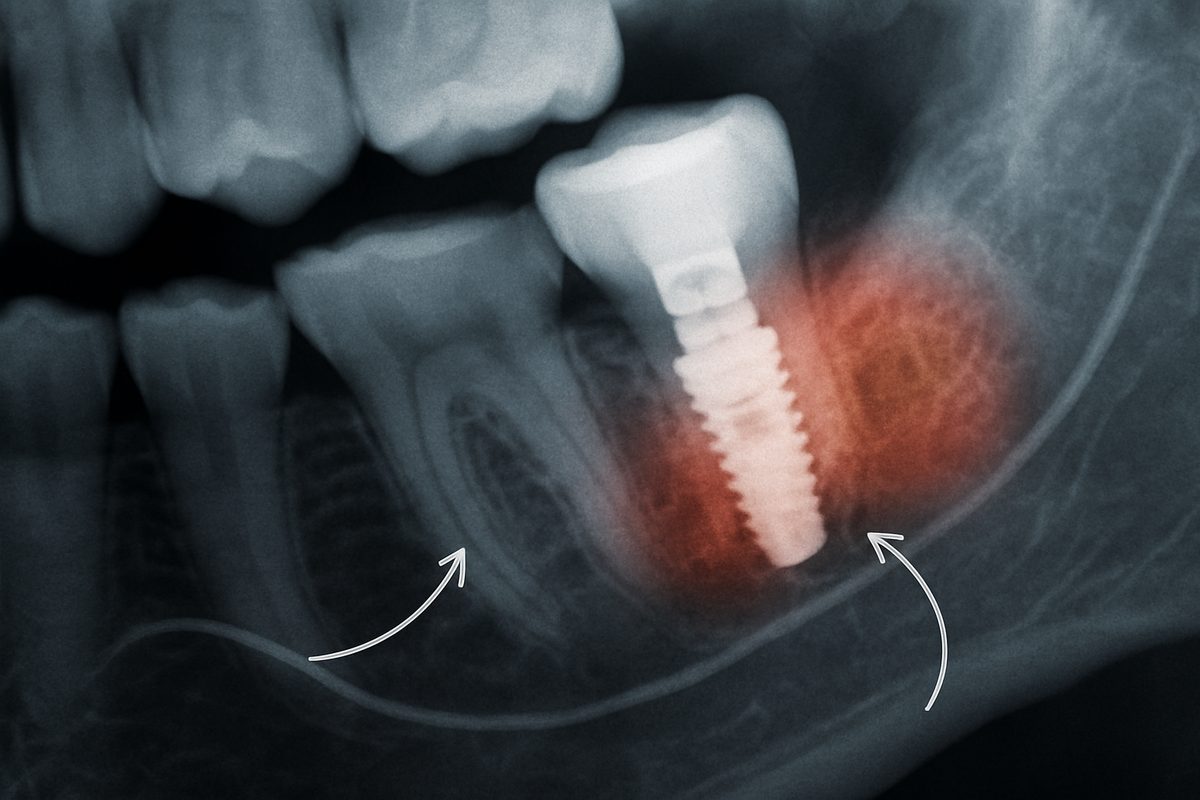
Peri‑implantitis is an infection that affects the tissues and bone around an implant. Signs include persistent redness, swelling, pus, worsening pain, and bone loss on X‑rays. If caught early, antibiotics, cleaning, and improved oral hygiene can often control it. Left untreated, peri‑implantitis can lead to implant loss.
Implant failure or loosening
Implant failure can occur if the bone does not integrate with the implant (failed osseointegration) or if the implant is overloaded too early. Symptoms include persistent mobility of the implant, pain when biting, or chronic infection. Some failures are detected during the first few months; others can happen years later.
Nerve injury and numbness
Nerve injury most commonly affects the lower jaw near the mental nerve. Symptoms include numbness, tingling, or a pins‑and‑needles feeling of the lip, chin, or tongue. Some nerve irritation is temporary and resolves in weeks to months. Permanent numbness is rare but possible—seek evaluation if you notice persistent changes in sensation.
Sinus problems (upper jaw implants)
Upper back implants can project into the sinus if there is limited bone height. This may cause sinus pain, congestion, or recurring sinus infections. In some cases a sinus lift or repair is needed to restore healthy sinus function and support the implant.
Factors that increase risk of side effects of tooth implants
Health and lifestyle factors
Smoking, uncontrolled diabetes, certain bone disorders (like osteoporosis), and poor oral hygiene raise the risk of complications. Smoking in particular lowers blood flow and slows healing, increasing infection and failure risk.
Anatomy and existing oral health
Low bone volume, untreated gum disease, and complex anatomy (close nerves or sinus) make implant placement more challenging and increase risk. Treating gum disease and building bone when needed improves outcomes.
Provider experience and technique
Careful planning, precise surgery, and proper restoration matter. Inexperienced providers or incomplete planning can raise the chance of complications such as misplacement, nerve injury, or implant overload.
How side effects are prevented and managed
Thorough planning and imaging
3D CBCT scans and digital planning show bone quality and nearby structures. Good imaging helps the team select implant size and position to avoid nerves and sinuses and improves long‑term success.
Modern surgical techniques and sedation
Guided surgery, real‑time navigation tools, and proper sedation improve precision and patient comfort. IV sedation can help anxious patients and reduce movement during surgery, lowering risk.
Post‑op care and early treatment of complications
Follow home care instructions: gentle cleaning, saltwater rinses after 24 hours, and taking prescribed antibiotics if recommended. Early follow‑up visits let the dentist spot signs of infection or poor healing and treat them quickly.
When to contact your dentist or seek emergency care
- Heavy, uncontrolled bleeding that won’t stop
- Fever over 101°F or chills
- Severe or increasing swelling that affects breathing or swallowing
- Sudden, spreading numbness or loss of movement
- An implant that feels loose or shifts
- Continuous pus or a bad taste that doesn’t improve with care
Choosing a provider to reduce risks
Work with a team experienced in implants and full‑mouth restorations. Dr. Omar Harmouche and HAR Dental Group use advanced tools like CBCT scanning, X‑Nav guided surgery, Primescan intraoral scanners, and in‑house 3D printing to plan precisely and reduce complications. Their approach focuses on safety, comfort, and predictable results.
Quick FAQ
Are implants safe? Yes — dental implants have a high success rate when placed and maintained properly, but no procedure is risk‑free.
How common are complications? Most people heal without serious problems. Minor short‑term side effects are common; serious long‑term issues are less common when risk factors are managed.
Typical recovery timeline: Expect 1–2 weeks for soft tissue healing and a few months for full bone integration. Final restorations usually come after osseointegration is confirmed.
If you’re worried about the side effects of tooth implants or want a personalized risk review, schedule a consult with HAR Dental Group to discuss treatment options and a safety plan. Locations and contact details can be added by the practice to set your appointment.