
A tooth cracks on a piece of hard candy, or a dull ache turns into a throb that keeps you up at night, and suddenly you’re asking yourself, how do I know if I have a dental emergency? It’s hard to think clearly when you’re in pain or a little panicked.
Knowing the key signs of a dental emergency helps you get care quickly and protect your tooth. At HAR Dental Group, serving Tulia, Plainview, Amarillo, and Slaton, TX, we help patients figure out what’s urgent and treat dental emergencies with advanced technology and caring, patient-focused attention.
What Counts as a Dental Emergency
A dental emergency is any situation that needs immediate attention to save a tooth, stop bleeding that won’t quit, or relieve severe pain. Knowing when to get urgent care matters for your comfort and for the best possible treatment results.
Persistent severe pain or bleeding in your mouth is always a red flag. When in doubt, it’s better to call and ask than to wait and hope it gets better.
Common Signs of a Dental Emergency
Spotting a dental emergency means recognizing symptoms that need care right away. A severe toothache, especially one that disrupts your day or keeps you from sleeping, is one of the most common signs. Swelling in your mouth or face is another clear sign that something is wrong and needs to be checked.
Severe Toothache
A severe toothache can mean deep decay, an abscess, or nerve damage. If the pain is intense and won’t let up, or it throbs when you lie down, contact a dentist as soon as you can.
Swelling
Swelling in your face or jaw can mean an infection or abscess, which can spread if it isn’t treated. Quick care can prevent complications and ease your discomfort. If swelling makes it hard to breathe or swallow, go to the emergency room right away.
When to Consider It a Dental Emergency
Paying attention to your pain level and signs of infection can help you decide. Pain that keeps getting worse is a clear sign you need professional care. Signs of infection, like a bad taste, pus, swelling, or a fever, make a dental visit even more urgent.
Types of Dental Emergencies
Dental emergencies come in many forms, but some of the most common are cracked or broken teeth and knocked-out teeth. Others include a lost filling or crown, a tooth abscess, and swollen gum tissue. These situations need prompt care to protect your oral health.
Cracked or Broken Teeth
Whether it happens in an accident or from biting something hard, a cracked or broken tooth can expose the nerve and raise the risk of infection. You might feel a sharp edge with your tongue or pain when you bite. Acting quickly gives you the best chance of saving the tooth, and if it can’t be saved, here’s what to know about a replacement tooth.
Knocked-Out Teeth
If a tooth gets knocked out, fast action can often save it. Pick it up by the crown, not the root, rinse it gently if it’s dirty, and keep it moist, ideally in milk or tucked in your cheek. Then get to a dentist right away, because time really matters.
Differentiating Between Urgent and Non-Urgent Dental Issues
Not every dental problem needs same-day care. Bleeding gums, for example, are usually a sign of gum disease rather than an emergency, unless the bleeding is heavy and won’t stop. A small chip with no pain or a mild ache that comes and goes can often wait for a regular appointment, but it’s still worth calling to ask.
How Advanced Technology Helps in Dental Emergencies
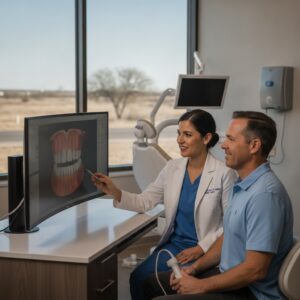
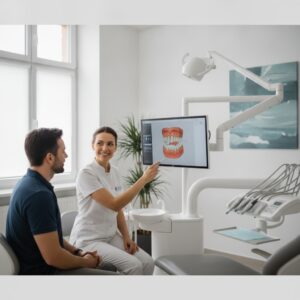
At HAR Dental Group, advanced technology helps us diagnose dental emergencies accurately. Digital X-rays and 3D imaging show us what’s happening below the surface, so we can make a clear treatment plan and relieve your pain faster.
Why Choose HAR Dental Group in Tulia and Surrounding Areas
Your comfort and quality care come first at HAR Dental Group. With services like dental implants, crowns, bridges, root canals, and IV sedation, we can handle your dental emergency with skill and compassion, and plan any follow-up care you need under one roof.
FAQs About Knowing If You Have a Dental Emergency
What should I do if I have a severe toothache?
Rinse your mouth with warm water and hold a cold compress on your cheek to ease pain and swelling. Then contact us right away so we can find the cause.
How quickly should I see a dentist after a tooth injury?
As soon as possible. Quick treatment can make a big difference in the outcome, especially for a knocked-out tooth.
Is a lost filling or crown a dental emergency?
It’s usually urgent rather than an emergency, but the exposed tooth can be sensitive and more likely to break. Call us to get it fixed soon, and avoid chewing on that side.
What should I do if my face is swollen?
Facial swelling can be a sign of infection. Call us right away, and if the swelling affects your breathing or swallowing, go to the emergency room.
Getting Relief When You Need It Most
Dental pain and injuries never come at a convenient time, but you don’t have to figure it out alone. If you notice any signs of a dental emergency, reach out to HAR Dental Group.
We’ll help you find relief and protect your smile. Call or schedule an appointment today, and if you’re still asking yourself How do I know if I have a dental emergency, our team will help you decide what to do next.