Choosing between a dental implant and a traditional denture can feel overwhelming. This guide gives a clear, practical comparison so you can understand how each option works, who is a good candidate, the time and cost involved, and which choice may fit your lifestyle. Read on to learn when a dental implant or a traditional denture makes sense and what to expect if you pursue either option.
What Is A Dental Implant And Who Is It For?
Basic Parts And How A Dental Implant Works
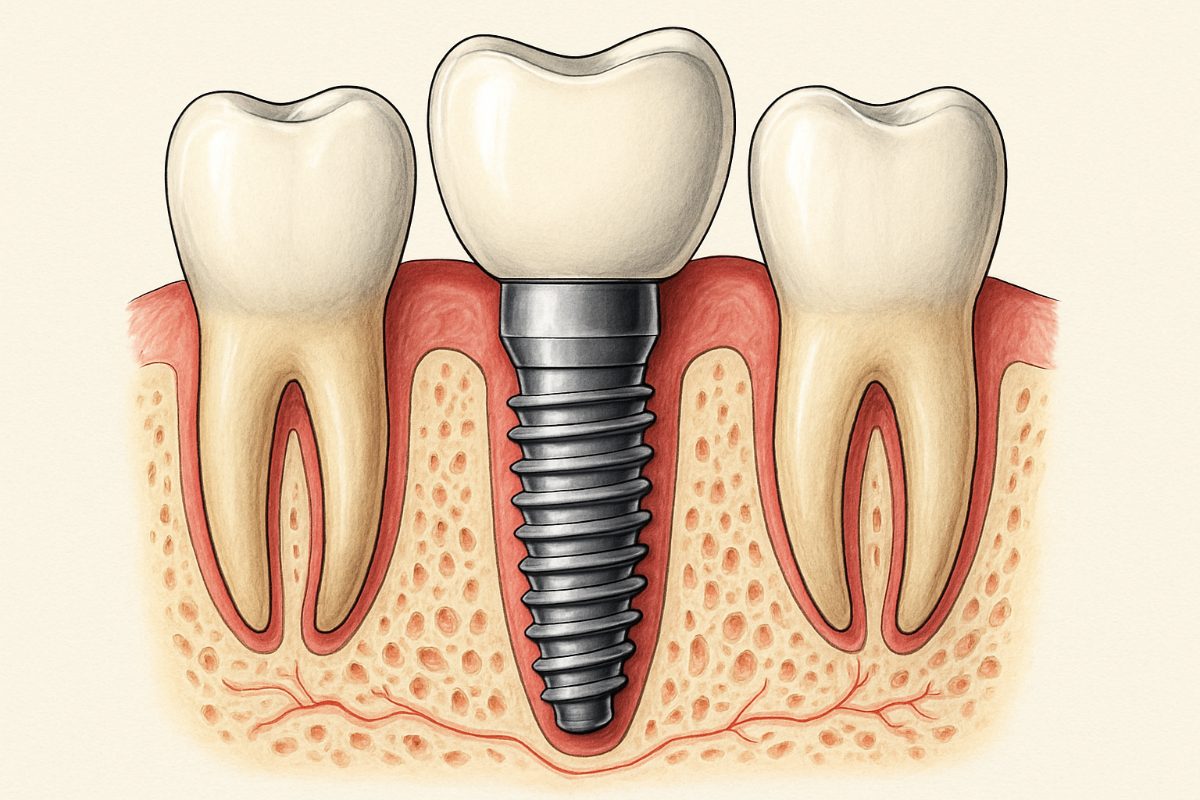
A dental implant replaces a missing tooth with three main parts: a titanium implant that acts like a root, an abutment that connects the implant to the tooth, and a crown that looks like the natural tooth. The implant is placed in the jaw bone and, over a few months, fuses with the bone to provide a stable base for chewing and speaking. Implant-supported bridges and full-arch solutions use multiple implants to replace several teeth or an entire arch.
Who Qualifies For An Implant
Good candidates for a dental implant are generally in good overall health, have healthy gums, and enough jaw bone to support the implant. Smoking, uncontrolled diabetes, or heavy alcohol use can reduce success rates. Older age alone is not a barrier. If bone is reduced, bone grafting or special implant techniques can help some patients qualify for a dental implant in Tulia, TX.
What Is A Traditional Denture?
Types Of Traditional Denture: Full, Partial, Immediate
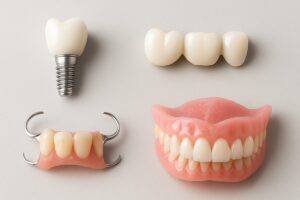
Traditional dentures come in several types:
- Full dentures replace all teeth in the upper or lower jaw.
- Partial dentures replace one or more teeth and attach to remaining teeth.
- Immediate dentures are placed right after extractions so you aren’t without teeth during healing.
How Traditional Dentures Fit And Common Problems
Traditional dentures sit on the gums and rely on suction, adhesives, or clasps. Common issues include slipping, sore spots, difficulty chewing certain foods, changes in speech, and the need for frequent adjustments. Over time, jaw bone shrinkage can make dentures fit worse and require replacements or relining.
Major Differences: Dental Implant Vs Traditional Denture
Longevity And Durability: Expected Lifespan
Dental implants are designed to last decades when cared for properly. Crowns may need replacement after 10–20 years, but the implant body often remains. Traditional dentures typically last 5–8 years before needing major replacement due to wear and changes in the jaw.
Function And Comfort: Chewing, Speech, Daily Life
Implants feel and function more like natural teeth. They stabilize chewing, reduce movement, and often improve speech. Traditional dentures can restore appearance quickly but may limit the foods you can eat and require adhesives for stability.
Bone Health And Facial Structure
A dental implant in Tulia, TX helps preserve jaw bone because the implant stimulates the bone like a natural tooth root. Traditional dentures do not stop bone loss and can accelerate changes in facial appearance over time, leading to a sunken look as bone shrinks.
Cost, Timeline, And Aftercare
Upfront Cost Vs Long-Term Cost
Upfront, traditional dentures are usually less expensive than dental implants. However, a dental implant in Tulia, TX can be more cost-effective over time because implants last longer and reduce the need for replacements, relines, and ongoing adhesive purchases. Consider total costs over 10–20 years when comparing options.
Treatment Timeline And Recovery
Traditional dentures can be made and fitted within weeks. Dental implants require surgery and a healing period that can take several months, though newer protocols and guided techniques can shorten timelines. Immediate-load options may allow temporary teeth on the same day in some cases.
Maintenance: Cleaning, Repairs, And Follow-Up Visits
Implants are cared for like natural teeth with daily brushing and flossing and regular dental visits. Dentures need daily cleaning, overnight soaking, and periodic adjustments. Both options require follow-up care, but implants typically need fewer repairs long term.
Who Should Choose A Dental Implant In Tulia, TX — Vs When A Traditional Denture Makes Sense
Consider a dental implant in Tulia, TX if you want long-term stability, better chewing, and bone preservation, and if you are healthy enough for minor surgery. Choose a traditional denture if you need a lower-cost solution quickly, have health issues that make surgery risky, or have limited bone and do not want additional grafting procedures. Budget, medical history, and personal goals should guide your decision.
Why Consider HAR Dental Group For A Dental Implant In Tulia, TX
About Dr. Omar Harmouche, DMD — Credentials And Implant Expertise
Dr. Omar Harmouche, DMD, is a nationally recognized implant dentist with advanced training and experience in full-mouth restorations and IV sedation. He leads HAR Dental Group and focuses on predictable implant outcomes and patient comfort.
Technology That Improves Implant Outcomes
HAR Dental Group uses advanced tools to improve precision and healing, such as:
- CBCT 3D imaging for accurate planning
- X-Nav for real-time guided implant placement
- Primescan and Primeprint for digital impressions and in-house 3D printing
- Blue Wave Laser for minimally invasive soft tissue care
- IV sedation options for anxious or complex cases
What To Expect At Your First Implant Consultation And Financing Options
Your first consult will include a review of medical history, oral exam, and CBCT imaging if needed. The team will explain options, timelines, and costs, and discuss financing plans to make a dental implant in Tulia, TX more affordable.
If you’re weighing a dental implant in Tulia, TX against a traditional denture, schedule a consultation to review your health, goals, and budget. A short exam and conversation can point you to the best, long-term solution for your smile.